
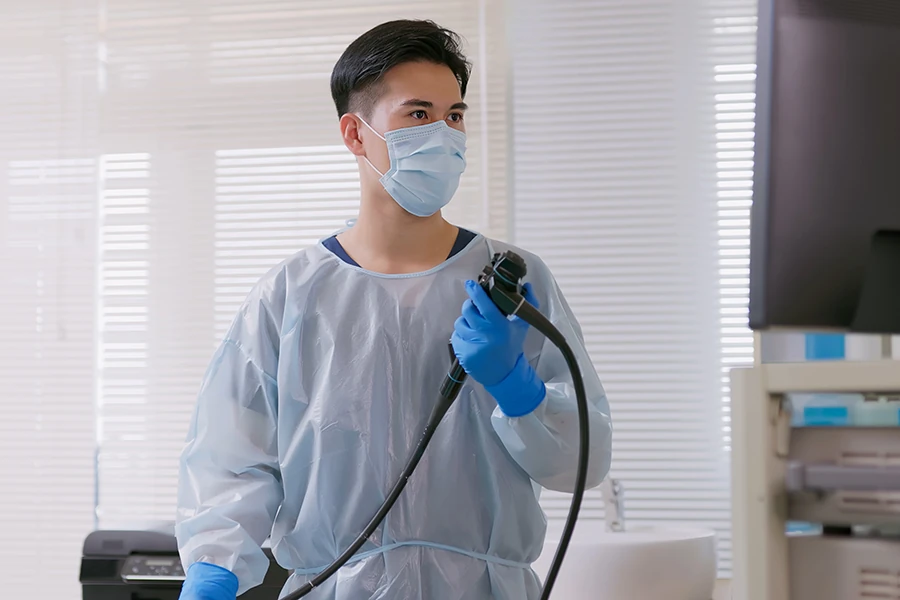
Colorectal Cancer Screening: What Every Family Needs to Know
The Medical Society of the County of Erie’s Public Health Committee is highlighting an important public health initiative: Colorectal Cancer (CRC) Screening.
While colorectal cancer death rates have declined among older adults thanks to routine screening, the disease is rising sharply in younger populations. Incidence among adults under 50 is climbing by roughly 3% each year, and colorectal cancer is now the leading cause of cancer death for young adults in the United States. Because early-stage CRC is highly treatable, and because polyps found during a colonoscopy often signal risk that runs in families, getting the right people screened at the right time can save lives.
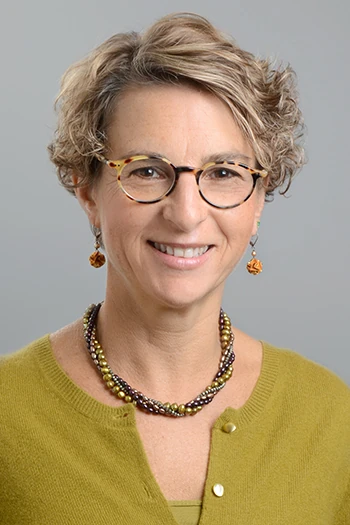
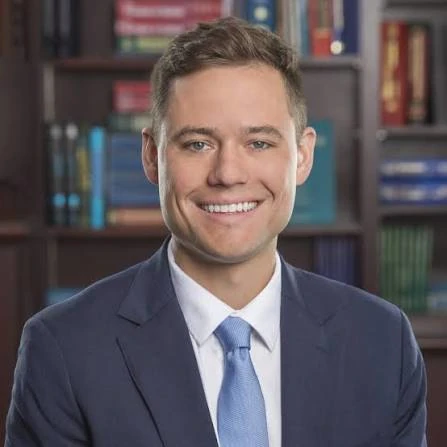
To address this growing concern, Public Health Committee Co-Chairs Gale Burstein, MD, MPH, FAAP, and Thomas Malikowski, MD, of Gastroenterology Associates, LLC, have developed two new tools for local practices: a screening guidelines video for patients and providers, and a CRC screening card designed for patients found to have high-risk polyps during colonoscopy. The card gives patients a simple way to alert their parents, siblings, and children that they may also be at increased risk, and lets them know when and how to start their own screening.
By equipping patients to start these conversations at home, the Medical Society hopes to reach family members who might not otherwise realize their risk, and to close the gap between who’s eligible for screening and who’s actually getting it.
Produced with the Medical Society of the County of Erie’s Public Health Committee and the Erie County Department of Health.
Campaign Elements
YouTube Colorectal Cancer Screening Video with Dr. Thomas Malikowski
Colorectal Cancer Screening Card
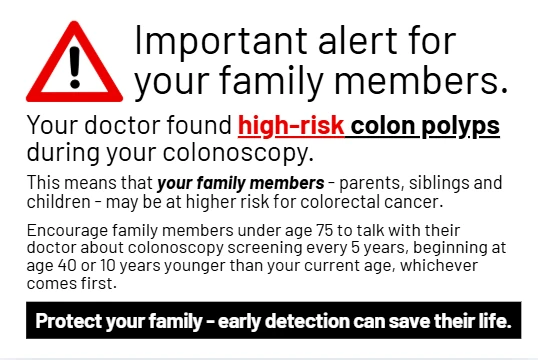

The Medical Society of the County of Erie and the Erie County Department of Health has created a Colorectal Cancer Screening card as a tool for physicians to give to patients who test positive for high-risk colon polyps during a colonoscopy. The card helps patients share this information with their family members, encouraging parents, siblings, and children to get screened for colorectal cancer as well.
Additional Information
On September 19, Dr. Gale Burstein and Dr. Tom Malikowski presented a Medical Grand Rounds on Early Onset Colorectal Cancer. Click here to view the recording. Click below to view the presentation slides.